
Licensed, Bonded & Insured: #HIC-0602420
#1 Stainless Steel Chimney Liners & Chimney Service - Book Now!
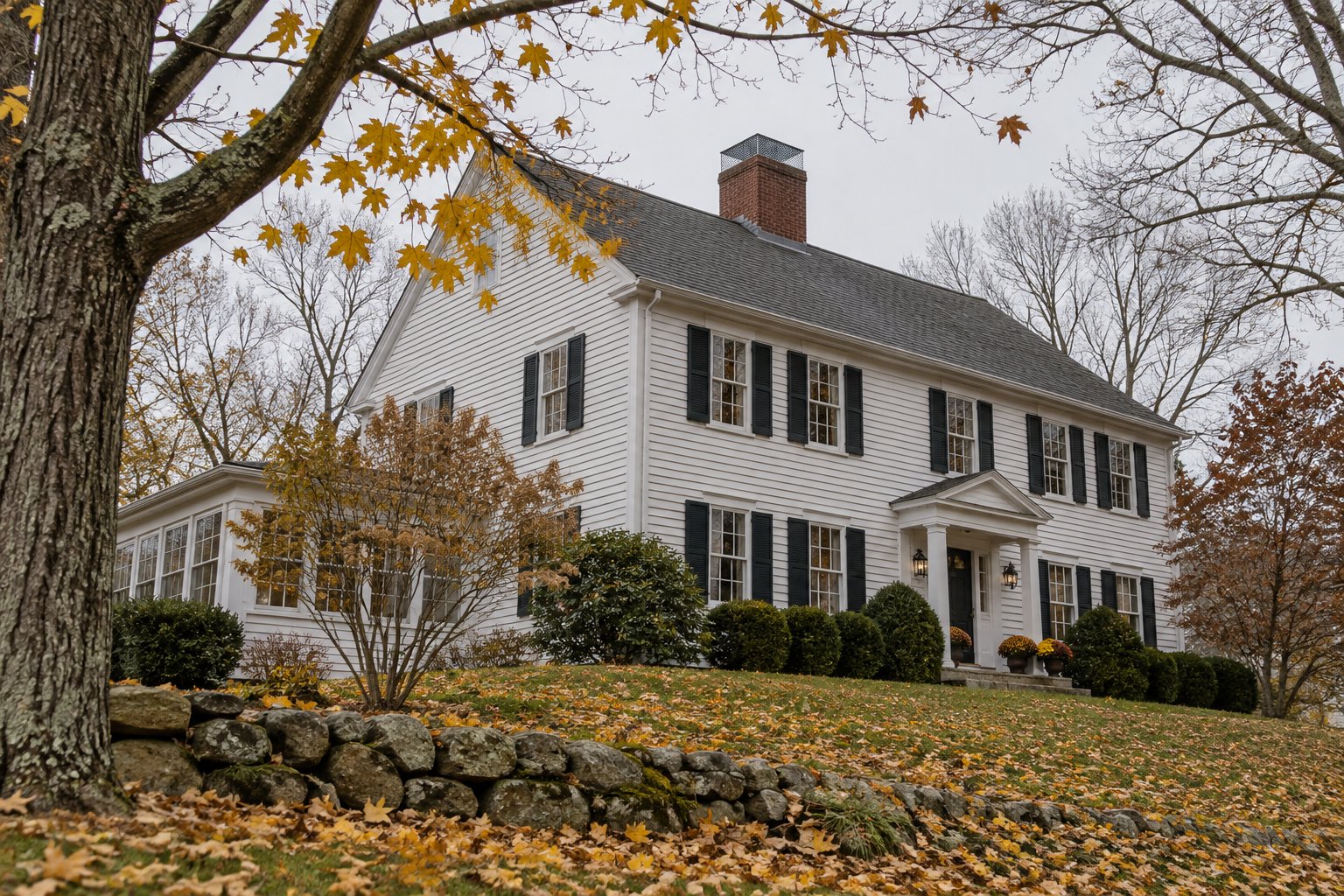
Chimney Caps in Connecticut: Keeping Animals Out This Winter
Cold weather sends a lot of animals looking for a warm, dry, sheltered spot, and an uncapped chimney is a tall, hollow invitation. By the time Connecticut sees its first hard cold snaps, squirrels, birds, raccoons and bats are all scouting for places to ride out the winter. Your chimney flue looks like a hollow tree to them, and a fireplace damper is not designed to be a wildlife barrier.
The good news is that the fix is mostly hardware: a properly sized, well-made chimney cap. Here is how caps and screens keep animals out, what to watch for when you buy or replace one, and why timing in early November matters for homeowners in New Haven County and across Connecticut.
Why an open chimney is a trap, not just a doorway
Wildlife damage specialists point out that only raccoons, chimney swifts and bats can climb or fly back out of a chimney flue. Starlings, pigeons, gray squirrels and many other animals fall in and cannot escape. That means an open flue is not just a nuisance for you. It is often a death trap for the animal, and a dead animal in a flue means odor, a blocked draft and a cleanup nobody wants.
Animals that make it in and survive can cause their own trouble. Raccoons are known to den above a damper, and people often first notice them as chirping sounds from the fireplace when young are born in spring. Nesting material, droppings and debris can block the flue, and a blocked flue is a real problem when you light your first fire of the season. Smoke and combustion gases need a clear path out.
What a chimney cap actually does
The fire safety standard for chimneys (NFPA 211) defines a chimney cap as a protective covering for the top of the chimney meant to prevent the entry of rain, snow, animals and birds and to prevent downdrafts. That one definition covers several jobs:
- Animals and birds: a screened cap physically blocks entry at the top of the flue.
- Rain and snow: keeping water out of the flue also protects the masonry below. Wildlife specialists note that a proper cap deflects rain that would otherwise attack the concrete crown and shorten the chimney's life.
- Embers: a screened cap helps keep sparks from escaping your chimney, which is one reason building science guidance recommends a stainless steel chimney cap with screening.
- Downdrafts: a well-designed cap reduces wind pushing smoke back down the flue.
A cap only does these jobs if it is the right cap for your flue and it is installed correctly.
What to look for in a cap and screen
Material. Commercial stainless steel caps are the standard recommendation. Galvanized steel caps that were popular years ago break down from rust, and a rusted cap leaves gaps. A cap sits fully exposed to Connecticut's wet, freezing winters, so durable metal matters.
Mesh size. The model residential building code describes spark arrestor screens with openings that do not let a one-half inch sphere pass and do not block a three-eighths inch sphere. In practice that is a fairly small mesh, which is what stops most birds and small animals. Connecticut's state building code is based on the model codes, so ask your mason or building department what applies to your chimney.
Removable for cleaning. The same model code says the screen or cap should be removable so the flue can be cleaned. A cap that cannot be taken off easily makes sweeping harder.
Skip the homemade fix. Wildlife specialists specifically warn against covering a flue with hardware cloth. It rusts, and it can catch snow. If the mesh is blocked by snow or frost, the escape route for combustion gases can be reduced. That is especially a concern on chimneys serving gas furnaces, which produce a lot of water vapor that can freeze on the mesh.
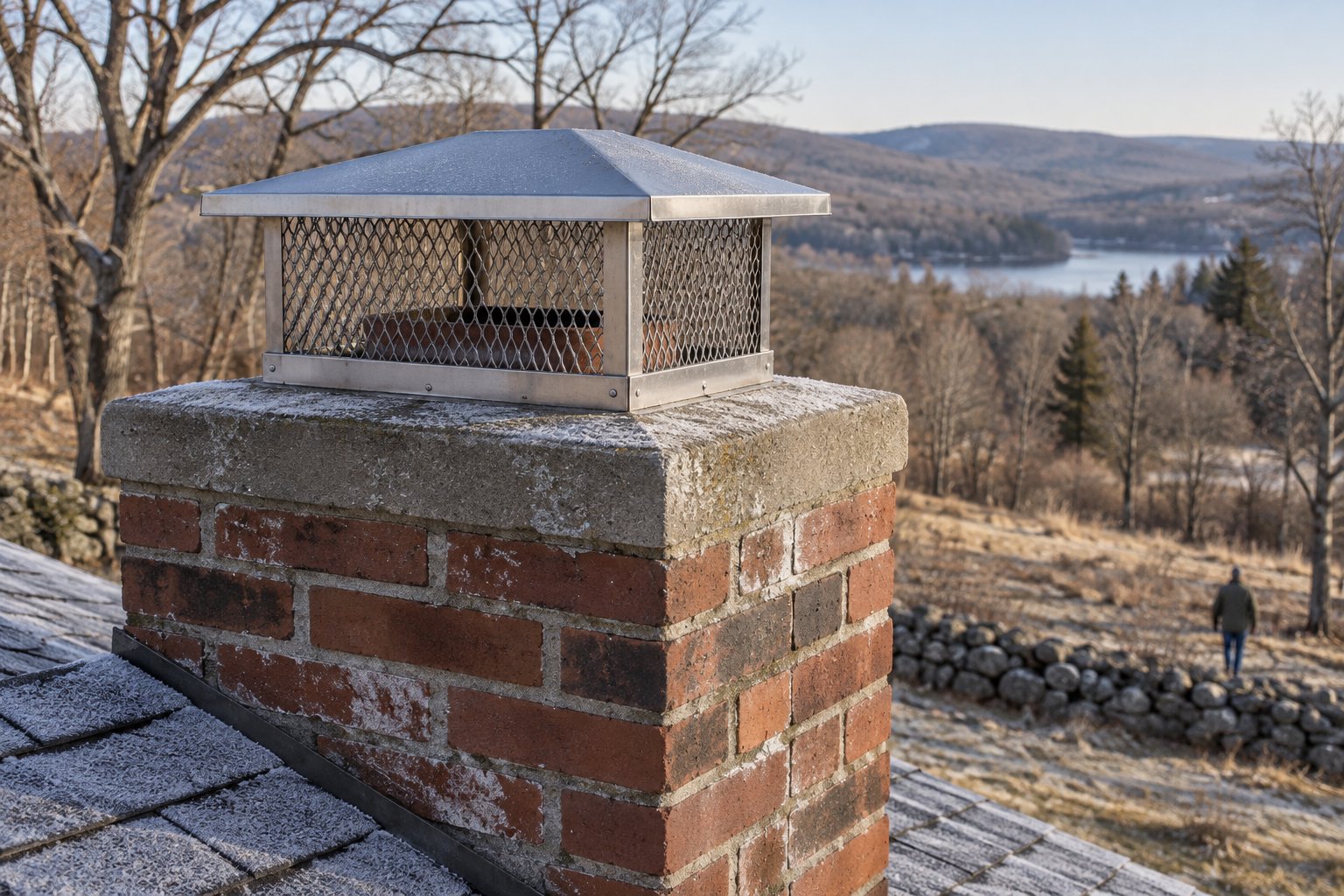
Every flue gets covered. If you have a chimney with more than one flue, such as a fireplace and a furnace or boiler flue sharing the same stack, each one needs its own cap or a properly built multi-flue cover.
Why early November is a good time
Chimney swifts are a protected species under the federal Migratory Bird Treaty Act, so harassing or harming them, their eggs or their nests is illegal. These birds nest in open masonry chimneys in spring and summer, then leave Connecticut for South America in late summer, by August or September. The U.S. Fish and Wildlife Service recommends doing chimney work outside swift season, which for most of the country means roughly from September or October through March or April.
That makes November a good window to cap a chimney. The swifts are gone, so you are not covering an active nest. And because swifts need an open chimney top, a cap installed now simply keeps the chimney sealed against the animals that do stay for winter.
Bats are a similar timing issue. Connecticut's environmental agency (DEEP) says bat exclusion should not be done from June through mid-August, when flightless young could be trapped. Little brown bats do not spend the winter in buildings, so bat-proofing can be done after they head to winter roosts, though big brown bats sometimes do overwinter in buildings. If you suspect bats in or around a chimney, ask for guidance first.
Check before you cap
A cap is not a one-way door. If an animal is already in the flue, capping over it just seals it in. Before any cap goes on, look for signs of an animal in the chimney:
- Scratching, scrabbling or chirping from the fireplace or flue
- Droppings, nesting material, twigs or leaves in the firebox
- A sour or musky odor when the damper is opened
- A flue that suddenly will not draw or fills the room with smoke
If you think an animal is inside, the right step is to contact a licensed professional. Connecticut licenses Nuisance Wildlife Control Operators through DEEP, and DEEP directs residents who cannot resolve a wildlife problem themselves to these licensed operators. Wildlife removal is not something a chimney mason does, but once the chimney is clear, a mason can inspect, clean, repair and cap it.
Frequently Asked Questions
Will a chimney cap stop my fireplace from drawing?
A correctly sized cap should not. Caps are designed to allow combustion gases out while keeping rain, snow and animals out. A cap that is too small, clogged with soot or buried in snow or frost can restrict draft, which is why an annual inspection and sweeping matter.
Can I just stuff the damper closed or add wire mesh myself?
A damper is not designed to keep animals out, and homemade mesh tends to rust and can trap snow or frost. A commercial stainless steel cap that fits your flue is the more reliable approach.
Do I still need a cap if I rarely use my fireplace?
Yes. An unused flue is quiet and dark, which is exactly what animals want. A cap also keeps rain and snow out of the flue and off the crown.
When should I replace an existing cap?
Look for rust, loose or missing screening, a cap that rocks or tilts, or gaps around the flue. Any of these can let animals or water in, and it is worth having a chimney professional take a look.
Get your chimney ready for the cold
MTM Masonry & Chimney installs and repairs chimney caps, and also handles chimney sweeping, crown and masonry repair for homeowners in New Haven County and the surrounding Connecticut counties. If you are not sure whether your cap is doing its job, or you want it checked before the heating season gets going, contact us and request a quote through our contact page.


All rights reserved | Privacy policy
Web Marketing by 1stbay